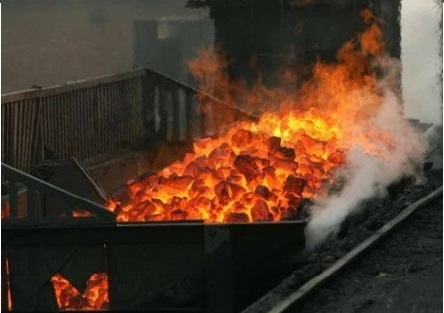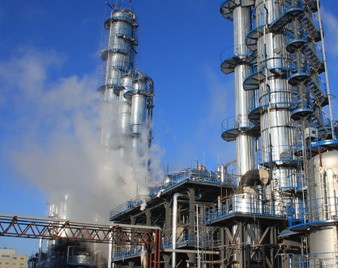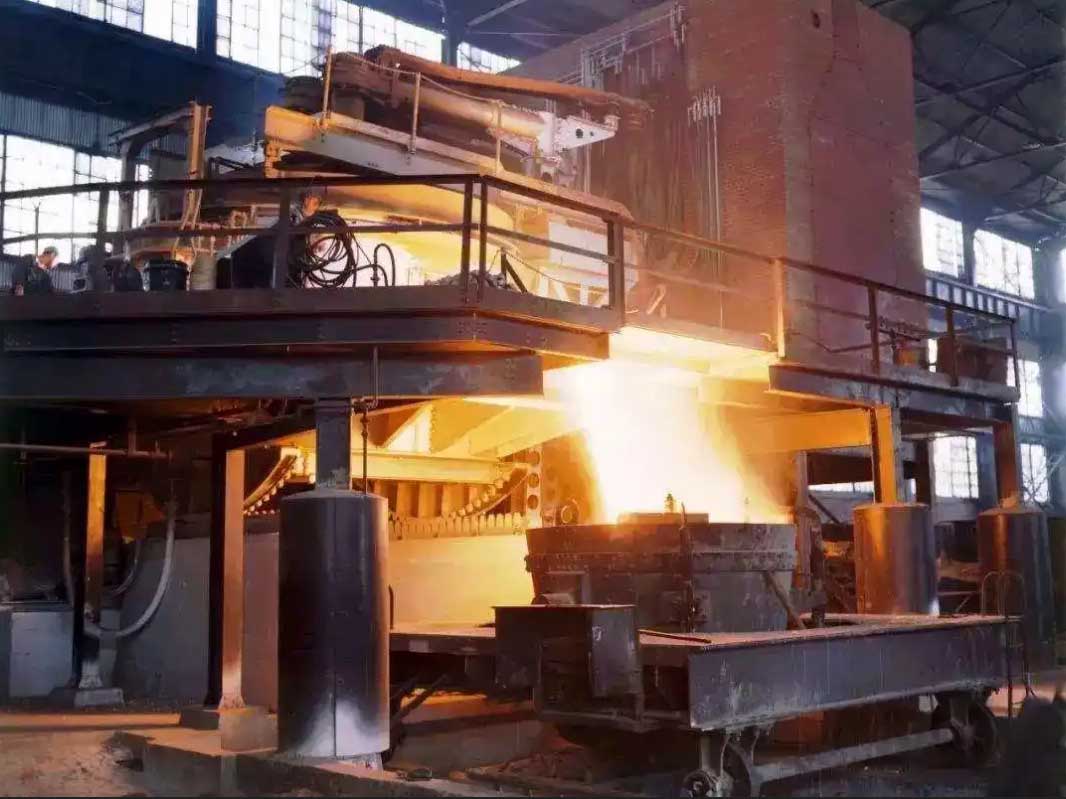

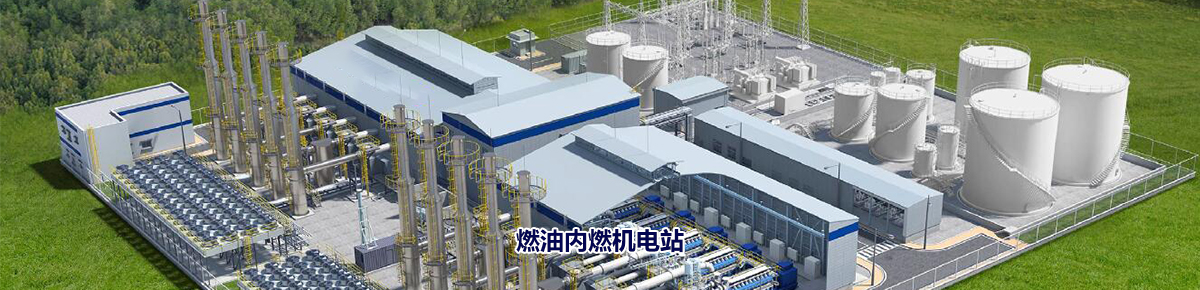


Manufactured Gas refer to the combustible gas produced from solid or liquid combustibles such as coal and petroleum through thermal processing methods such as dry distillation, gasification, or cracking. Manufactured gas mainly includes: Coal gasification gas, Coal carbonization gas, Linz-Donawitz gas, Blast furnace gas, etc.
1. Coal Gasification Gas, also known as Coal to syngas, refer to the combustible gas produced by the chemical reaction of coal or coke with gasifying agents (such as air, oxygen, water vapor) at high temperatures. The main components include hydrogen (H₂), carbon monoxide (CO), and a small amount of methane (CH₄). Typical gasification gases include Producer gas, Water gas, and Semi-water gas, etc.
Gasification Gas is a kind combustible gas which is produced by crushing, pressure and pyrolysis of fuel coal. It is a combustion mode of clean coal utilization technology. The calorific value of coal gas is lower than that of natural gas, but its preparation is convenient. It can be produced by own equipment without restriction of transportation pipeline. At present, coal gas is an irreplaceable flammable gas in the utilization of clean energy in China at the status of unsufficient natural gas supply. Because of its many advantages, coal gas has been widely used in industrial and mining enterprises, and can be used for power generation and domestic gas.
Coal gasification technology is one of the main ways to produce syngas products. Solid coal is converted into gaseous syngas through gasification process, meantime, by-products such as steam and ash are produced. In coal gasification, there must be three conditions: gasifier, gasifying agent and heat supply. Coal gasification technology can be divided into three categories: fixed bed gasification, circulating fluidized bed gasification and entrained-flow gasification technology. All kinds of gasification technology have their own advantages and disadvantages, and have certain requirements for the quality of raw coal. The advanced technology and maturity degree of technology are also different.
The composition and content of gasification gas vary depending on the gasification agent used.
■ The main components of Producer gas (air+steam gasification) after desulfurization treatment are CO (24% -30%), H₂ (11% -15%), CH₄ (0.5% -3%), CO₂ (3% -7%), and N₂ (47% -54%). Heating value range: 5.0-6.3 MJ/Nm³. It is a low calorific value industrial fuel and can also be used for power generation.
■ The main components of Water gas (steam+coke gasification) are: CO (40% -50%), H₂ (50-55%), CH₄ (<1%), CO₂ (5% -10%), N₂ (≤ 5%). Heating value range: 10-12 MJ/Nm³. Water gas is the raw material gas for producing synthetic fuels, which can be used to produce synthetic ammonia, synthetic methanol, and liquid fuels. It belongs to low calorific value fuels and can be directly used for power generation.
■ The main components of Semi-water gas (air and steam alternately blown into the gasifier for gasification) are CO (18% -20%) and H₂ (50-55%). Heating value range: 10-12 MJ/Nm³. Half water gas can be used to produce synthetic ammonia and synthetic methanol, which can be directly used for power generation.
2. Coal Carbonization Gas, refer to the combustible gas generated through the high-temperature heating (dry distillation) of coal under air-isolated conditions, leading to its decomposition. Its primary constituents encompass hydrogen (H₂), methane (CH₄), and carbon monoxide (CO). Mainly including Coke oven gas, Semi coke gas, and Retort gas.
2.1 Coke Oven Gas (COG), refers to a kind of combustible that is associated with coke and tar when several kinds of bituminous mixture of coking coal, was carbonized in high temperature in the Coke oven, is a by-product of coking industry. Due to much combustible ingredient, it belong to high heat value gas. Its calorific value is 17-18.25 MJ/Nm³ or 4,063-4,362 kcal/Nm³.
Coke Oven Gas is Mixture, its yield and composition is different according to the quality of coking coal and coking process condition, generally a ton of dry coal can produce 300 ~ 350 Nm³ of coke oven (standard). The main ingredient include hydrogen (55% ~ 60%) and methane (23% ~ 27%), and also a small amount of carbon monoxide (5% ~ 8%), CmHn (2% ~ 4%), carbon dioxide (1.5% ~ 3%), Oxygen (0.3% ~ 0.8%), nitrogen (3% ~ 7%), and the hydrogen, methane, carbon monoxide, CmHn are combustible components, carbon dioxide, nitrogen, and oxygen belong to non-flammable components.
2.2. Semi Coke Gas refers to the combustible tail gas associated with the semi-coke produced by dry distillation of coal at 600 ℃ in a coke oven, and secondary combustion and drying of recycled gas. Six to seven hundred Nm³ semi coke gas per ton of semi coke around is produced in a dry distillation kiln. The calorific value of semi coke gas is 6,732-8,439 kJ/Nm³ or 1,609-2,017 kcal/Nm³, which is low calorific value gas. It can be used as fuel for power generation.
The main components of semi coke gas are CH₄ (8.8% - 17.6%), H₂ (12% - 28%), CO (6% - 22%), unsaturated hydrocarbons (0.8% - 1.2%), N₂ (44% - 52%), O₂ (0.2% - 5%), CO₂ (2% - 12%) and H₂S (0.4% - 0.8%).
2.3 Retort Gas, refers to the gas fuel produced when coal, wood, or other carbon containing raw materials are heated at medium temperatures (about 850℃ dry distillation) under isolated air conditions. This process belongs to chemical changes and is widely used in fields such as coal upgrading, charcoal production, and biomass resource utilization.
The composition of Retort Gas varies depending on the type of raw material, carbonization temperature, and process conditions, but it usually contains gases such as hydrogen (H₂), methane (CH₄), carbon monoxide (CO), a small amount of ethylene (C₂H₄), nitrogen (N₂), etc. The calorific value is about 1800 kcal/Nm³, which belongs to medium to low calorific value gas and is not suitable for direct use as civil pipeline gas, but can meet the demand for industrial power generation fuel.
3. Linz-Donawitz Gas (LDG), refers to the combustible gas produced by the action of carbon and oxygen in molten iron during the oxygen-blown converter steelmaking process. The content of carbon monoxide is high, with a volume of 60% to 80%, and its low calorific value is about 6,200 kJ/Nm³ under standard conditions. The LDG is a very ideal fuel and chemical raw material because it contains little hydrogen and no sulfur. Converter gas of about 60 m³ can be recovered from 1t steel to be used in HRSG. The steam generated can basically meet the heat consumption of oxygen required for 1t steel smelting and the energy required for converter auxiliary equipment.
4. Blast Furnace Gas (BFG), refers to the combustible gas produced as a byproduct during the ironmaking process of a blast furnace. Its approximate composition is 25%-33% carbon monoxide, 1%-4% hydrogen, 12%-15% carbon dioxide, 55% nitrogen, 0.2%-0.5% hydrocarbons, and a small amount of sulfur dioxide. Its dust concentration is 10-50 g/Nm³, and the dust particle size is below 500 μm, mainly consisting of iron, ferrous oxide, aluminum oxide, silicon oxide, magnesium oxide, and coke powder. The calorific value of blast furnace gas is only about 3500 kJ/Nm³.
This gas containing combustible carbon monoxide is a low calorific value gas fuel that can be used for self use gas in metallurgical enterprises, such as heating hot-rolled steel ingots, preheating steel ladles, and power generation. It can also be supplied to civilian use. If coke oven gas is added, it is called mixed gas, which increases the calorific value.