菜单
关闭


|



Gaseous Fuels, also known as gas fuels, refer to any gaseous substance that can be burnt to generate heat or power. It generally contains low molecular weight combustible gases such as hydrocarbons, hydrogen and carbon monoxide, and often contains non-combustible gases such as nitrogen and carbon dioxide.
According to their sources, the gaseous fuels can be categorized as follows:
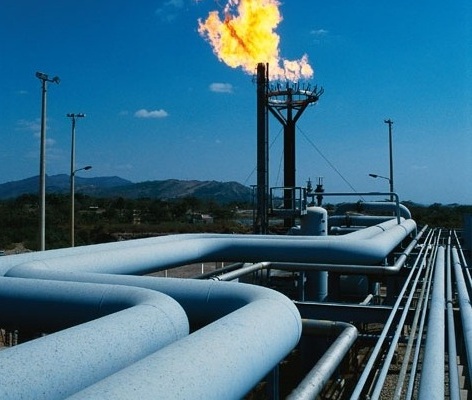
■ Gaseous fossil fuels, include Natural gas, and Liquefied petroleum gas (LPG);
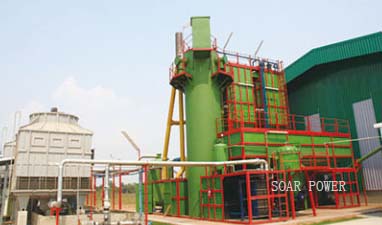
■ Gaseous biofuels, include Biomass gasification gas, Biomass pyrolysis gas, and Biogas, etc., which belong to renewable energy sources.
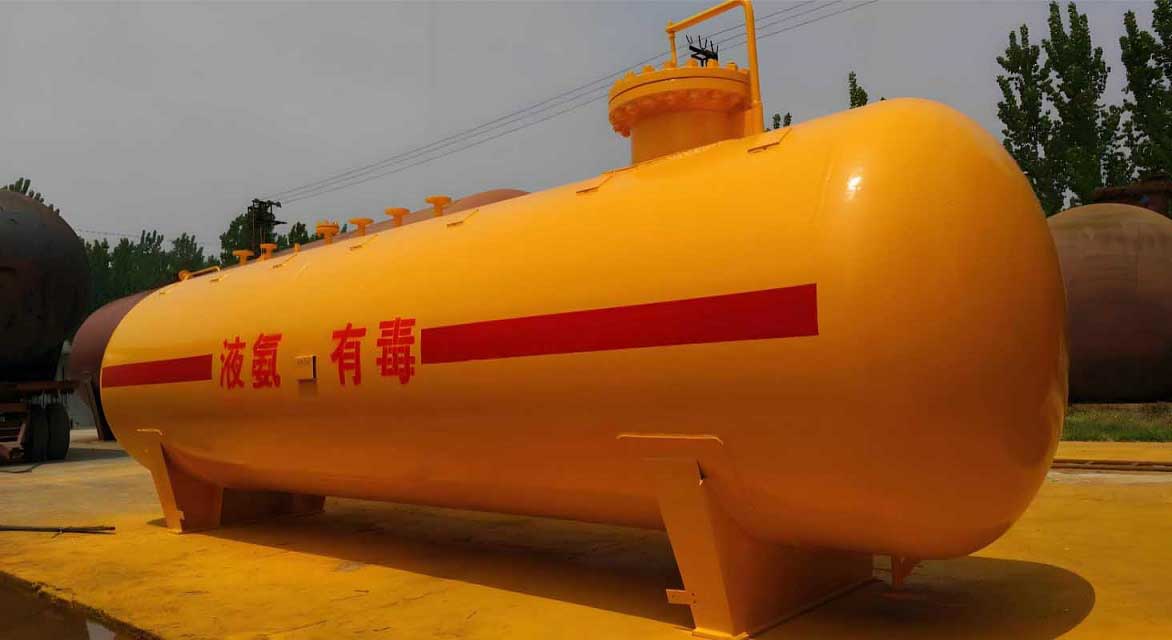
■ Gaseous synthetic fuels, include Synthetic natural gas(SNG), Synthetic ammonia, Synthetic hydrogen fuel, and others.
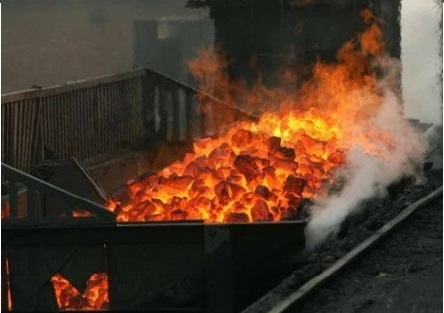
■ Manufactured gas, include Coal carbonization gas, Coal gasification gas, and Oil to gas.
■ Industrial off-gas, include Oil shale retort gas, Yellow phosphorus tail gas, Calcium carbide furnace off-gas, and Tyre pyrolysis gas, etc.
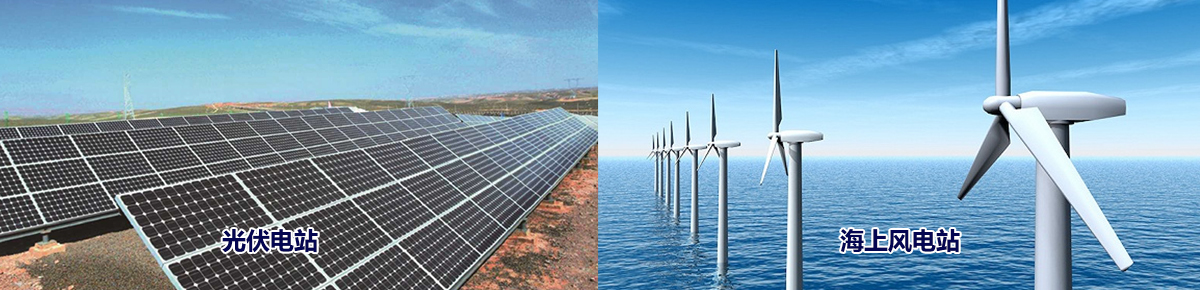
The power plant can use fossil fuels (such as natural gas, fossil oil, and coal, etc.) or renewable energy sources (such as water, wind, solar energy, and biomass energy, etc.). In short, it is economical and environmentally friendly to choose the fuels or energy forms that are easy to get and suitable for you.
The gaseous fuels of our power plant include: Gaseous fossil fuels (such as Natural gas and LPG), Gaseous biofuels (such as Biomass gasification gas, Biomass pyrolysis gas, and biogas, etc.), Gaseous synthetic fuels (such as SNG, Synthetic ammonia, aquafuel etc.), Manufactured gas (such as Coal carbonization gas, Coal gasification gas, and Oil to gas.), and Industrial off-gas.