
菜单
关闭


|



Conventional natural gas, refers to natural gas resources that exist in traditional oil and gas reservoirs and can be directly extracted through conventional drilling techniques. including Field gas, Associated gas, and condensate gas, etc;
1. Gas-field Gas, also known as Dry natural gas, refers to natural gas extracted from independent gas fields and wells. Not coexisting with crude oil. Its main component is methane, with a content usually above 90%, and even up to 95%. Suitable for direct use in urban gas, industrial fuel, and power generation. It belongs to typical dry gas. It is the most common form of conventional natural gas.
2. Oilfield Gas, also known as Associated gas, refers to natural gas that is extracted along with oil in a reservoir. It mostly exists above oil layers and contains not only methane but also heavier hydrocarbons such as ethane and propane, making it a typical rich gas.
3. Condensate Gas, also known as Condensate gas-field gas, refers to gas in underground reservoirs, but liquid light oil (such as gasoline and kerosene components) will precipitate during the extraction process due to pressure and temperature changes. Its methane content is relatively high, and it also contains a certain amount of hydrocarbons of C₅ and above, with a higher calorific value than ordinary natural gas, belonging to the category of wet gas.
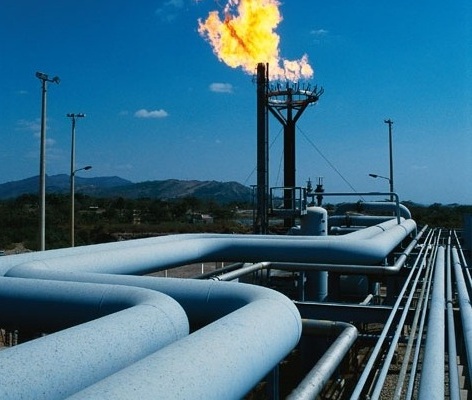
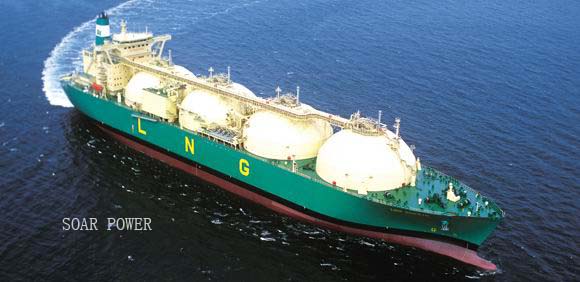
Natural gas is commonly supplied via pipeline or a gas infrastructure, but thanks to recent developments it can be liquefied easily and economically. Consequently, it can be transported as LNG by vessels all over the world.
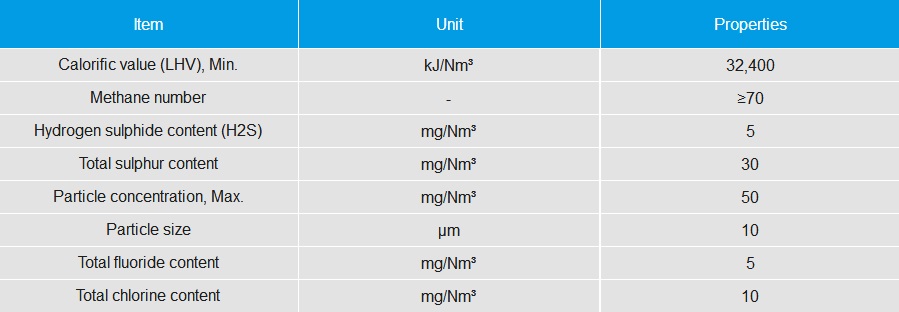
There are different types of natural gas depending on the composition. H-gas (high calorific gas) is gas with a high content of energy and methane. L-gas (low calorific gas) has a lower content of energy and methane but higher amounts of nitrogen and carbon dioxide. Of course, these types of natural gas have different characteristics in terms of combustion ( see the gas fuel specification below).
For use of natural gas in our engines, the gas must comply with the general applicable specifications for natural gas, the specific MDT requirements, be clean, dry and cooled (free of water, hydrocarbon condensate and oil) when fed to the engine.
If you are in doubt about your gas quality, do not hesitate to contact us. We can check your fuel and inform about the best suited our engine.
Note:
1. 1 Nm³ corresponds to one cubic meter of gas at 0 °C and 101.32 kPa.
2. All data provided on this site is for information purposes only, explicitly non-binding and subject to changes without further notice.