
菜单
关闭


|



Unconventional Natural Gas, refers to natural gas that is difficult to explain using traditional geological theories and cannot be economically extracted through conventional technological means. Compared with conventional natural gas, they generally have the characteristics of low porosity, low permeability, and continuous reservoir formation, and must rely on advanced technologies such as horizontal wells and multi-stage fracturing for reservoir transformation in order to effectively develop.
Unconventional Natural Gas including: Shale gas, Coalbed methane, Tight gas, and Natural gas hydrate, etc.
1. Shale Gas, It refers to unconventional natural gas that exists in an adsorbed or free state in organic rich shale and its interlayers.
2. Coalbed Methane, refer to the methane exhausted from unexplored coal beds, Its calorific value is equal to that of natural gas, and belongs to unconventional natural gas. Learn More ....
3. Tight Gas, also known as Tight sandstone gas, refers to unconventional natural gas that occurs in low porosity and low-permeability sandstone reservoirs.
4. Natural Gas Hydrate, refers to ice like crystalline solid material formed by the combination of natural gas and water molecules under low temperature and high pressure conditions, mainly existing in deep-sea sediments or permafrost zones.
According to China's "Management Measures for Natural Gas Utilization" (effective from August 1, 2024), domestic natural gas includes conventional natural gas, unconventional natural gas (such as shale gas, coalbed methane, tight gas, etc.), and coal to gas, all of which are subject to this method. This means that these unconventional natural gases are treated equally with conventional natural gas in terms of national energy utilization management, consumption structure optimization, safety assurance, and other aspects.
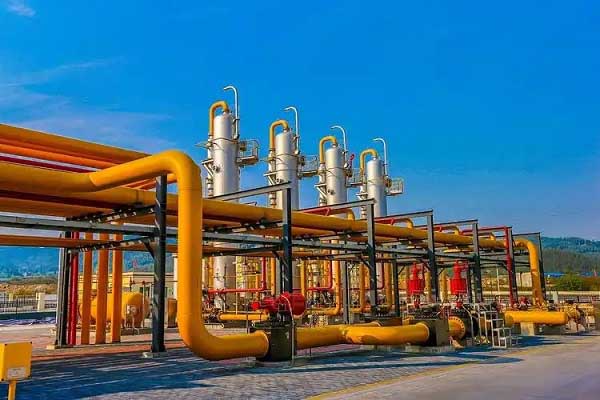
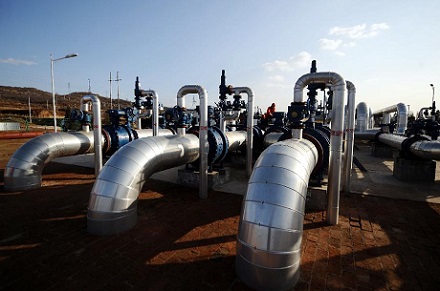
There are different types of natural gas depending on the composition. H-gas (high calorific gas) is gas with a high content of energy and methane. L-gas (low calorific gas) has a lower content of energy and methane but higher amounts of nitrogen and carbon dioxide. Of course, these types of natural gas have different characteristics in terms of combustion ( see the gas fuel specification below).
For use of natural gas in our engines, the gas must comply with the general applicable specifications for natural gas, the specific MDT requirements, be clean, dry and cooled (free of water, hydrocarbon condensate and oil) when fed to the engine.
If you are in doubt about your gas quality, do not hesitate to contact us. We can check your fuel and inform about the best suited our engine.
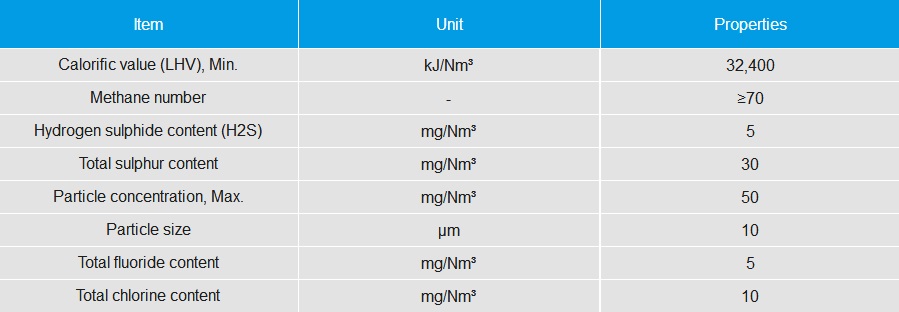
Note:
1. 1 Nm³ corresponds to one cubic meter of gas at 0 °C and 101.32 kPa.
2. All data provided on this site is for information purposes only, explicitly non-binding and subject to changes without further notice.