菜单
关闭



|



Gaseous Biofuels, such as Biomass gasification gas (including biosyngas), Biomass pyrolysis gas, biogas, and biohydrogen, refer to gas fuels produced by biomass pyrolysis and redox reaction or through anaerobic fermentation of microbes and decomposition. It belongs to renewable biomass energy. With the reduction of the fossil energy, people should develop the biomass energy relying mainly on energy plant.
Biomass, including all animals, plants, and microorganisms, refers to various organisms formed by photosynthesis, utilizing atmosphere, water and land. Biomass resources mainly include Animal fat, agricultural and forestry crops, aquatic algae, photosynthetic microorganisms, agricultural and forestry product waste, municipal waste, and livestock waste. All these can be used to produce liquid biofuels, gaseous biofuels or solid fuels.
Gas biofuels are divided into the following types according to different production methods:
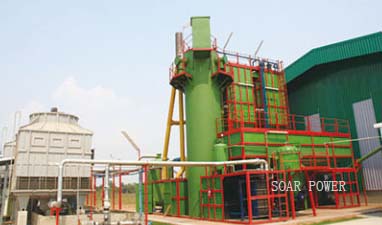
1. Biomass Gasification Gas, also known as Producer gas of biomass, refer to the combustible mixture gas produced by biomass as raw material through thermochemical and redox reactions with gasification agents under high temperature and oxygen deficient (limited oxygen) conditions. Biomass gasification gases such as sawdust gas, straw gas, rice husk gas, and garbage gas generated from agricultural and forestry waste and urban garbage are mainly composed of CO, H₂, CH₄, N₂, etc. Due to differences in raw material types and gasification processes, the gas composition and combustion characteristics of different biomass gasification gases exhibit significant differences. Mainly used for combustion boilers and distributed energy systems.
Biosyngas refers to a combustible gas produced from biomass as raw material through thermal chemical conversion processes such as gasification or pyrolysis under high temperature, oxygen rich or steam conditions. It is a gas mainly composed of CO and H₂ obtained through purification, dust removal, tar removal, and reforming processes based on biomass gasification gas, Such as syngas generated from agricultural and forestry waste, urban garbage, etc. Can be used for power generation or further synthesis of liquid fuels. National standard GB/T 40508 - 2021.
2. Biomass Pyrolysis Gas refers to a mixture of combustible gases produced through thermochemical reactions and decomposition of biomass under anaerobic or hypoxic conditions. The decomposition process does not involve the addition of gasifying agents. The main products are bio oil, charcoal, and combustible gas. The calorific value of pyrolysis gas is significantly affected by temperature: at 400 - 500 ℃, the calorific value is about 12.5 - 16 MJ/m³; As the temperature increases, the calorific value can increase to 16 - 17 MJ/m³ and tend to stabilize. The main combustible components include CO, H₂, and CH₄. Although some high-temperature pyrolysis gases have a calorific value close to that of medium calorific value gases, their composition is complex and contain high tar content, making them unsuitable for direct combustion or utilization and requiring additional purification treatment.
The typical composition range for Biomass pyrolysis(isolated from air heating) is: CO: 20-30%, H₂: 15-25%, CH₄: 10-20%, CO₂: 10-20%, N₂:<5% (If the raw material contains nitrogen or trace amounts of air are mixed), low-carbon hydrocarbons: 2-8%.
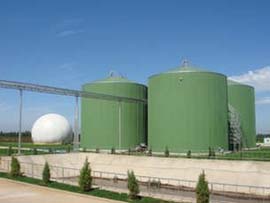
3. Biogas refers to the gas produced by anaerobic bacteria using biomass as raw material under anaerobic conditions. The main components of biogas generated from straw, sewage sludge, livestock manure, kitchen waste, etc. are CH₄, CO₂, etc. Mainly used in distributed energy systems.
4. Bio-hydrogen refers to the hydrogen gas produced through biotechnological means, utilizing microbial metabolic activities or biomass raw material conversion. Belonging to a type of green and clean energy, it has advantages such as renewability, low emissions, and a wide range of raw material sources.