【 Marine Fuels 】
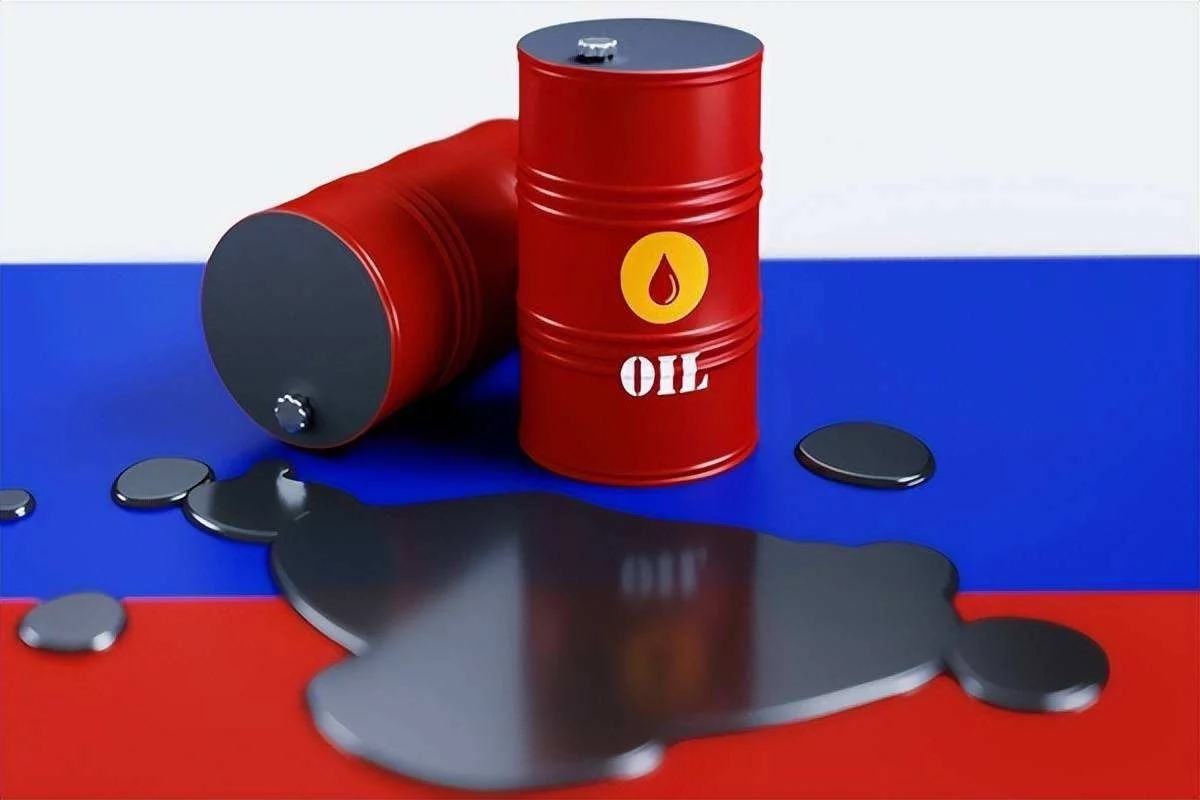
The choice of marine fuel should be considered based on energy resources, emission regulations, fuel prices and ships applications. Gas is environmental and heavy fuel oil is economic. The ships can use not only single fuel but also dual fuel, not only fuel oil but also gas. The diversity of fuel, the flexibility of dual fuel, provide you with a wide choice.
The Marine fuels include Fossil fuels (such as Marine fuel oils, crude oil, and natural gas), Synthetic fuels (Such as synthetic diesel, methanol, synthetic natural gas(SNG), liquid ammonia, etc.), and Biofuels (such as biodiesel and Non-transesterified vegetable oils, etc.).
-
Fossil Fuels
Marine Fossil Fuels mainly include: Marine fuel oils, Crude oil and Natural gas. Marine fuel oil includes Distillate fuels (Marine Diesel Fuels) and Residual Fuels (heavy fuel oil); Marine natural gas mainly refers to liquefied natural gas (LNG).
了解更多 +
-
Biofuels
Marine Biofuels typically refer only to liquid biofuels. The Marine Liquid Biofuels include Biodiesel (FAME), non-transesterified vegetable oil fuel, etc.
了解更多 +
-
Synthetic Fuels
Synthetic Fuels abbreviated as Synfuels, include Liquid synthetic fuels and Gaseous synthetic fuels. Marine synthetic fuels include Synthetic diesel, Methanol, Synthetic natural gas(SNG), Liquid ammonia (NH₃), and Synthetic hydrogen, etc.
了解更多 +
-
Marine Dual Fuels
The Dual fuel engines run on both environmentally friendly main fuel and fuel oil. Main fuel refers to a clean, low-carbon, or renewable environmentally friendly fuel selected by the user.
了解更多 +
返回