菜单
关闭


|



Synthetic Fuels abbreviated as Synfuels, refer to the liquid or gaseous fuel converted from coal, natural gas, biomass and other energetic raw materials through chemical methods. It can be divided into Liquid synthetic fuels (such as synthetic diesel, methanol, etc.) and Gaseous synthetic fuels (such as synthetic natural gas/SNG, synthetic ammonia, and synthetic hydrogen).
The raw materials for synthetic fuels include fossil fuels such as coal, natural gas, oil sands, and oil shale, as well as renewable resources such as biomass, sewage, and CO₂ capture gas.
The main methods for producing synthetic fuels include:
● Fischer Tropsch (FT): Catalytic synthesis of hydrocarbon liquid fuels using synthesis gas (CO+H₂). Such as synthetic diesel or gasoline produced by synthetic fuel technologies such as Coal-to-liquids (CTL), Biomass-to-liquids (BTL), and Gas-to-liquids (GTL).
● Electrolytic synthesis method: Combining green hydrogen with captured CO₂ to produce liquid fuel. For example, using Power-to-Liquid (PTL) synthetic fuel technology to generate liquid fuel.
● Methanation reaction: Synthesis gas (CO+H₂) is produced from coal, biomass, etc., and then undergoes methanation reaction to generate synthetic natural gas (SNG).
● Harber-Bosch process: The ammonia production utilizes the Harber-Bosch process, with the chemical equation being 3H₂ + N₂ → 2NH₃.
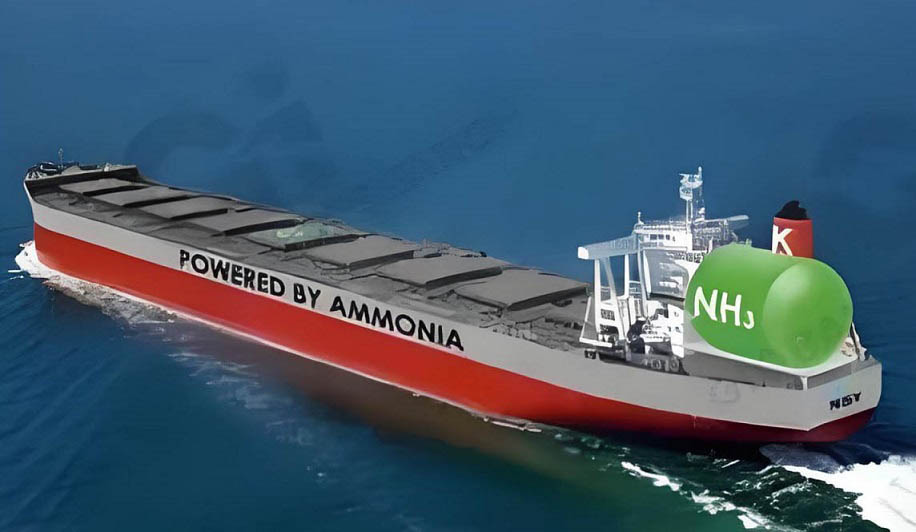
Marine synthetic fuels include Synthetic diesel, Methanol, Synthetic natural gas(SNG), liquid ammonia (NH₃), synthetic hydrogen, etc.
1. Synthetic Diesel, refers to a liquid fuel synthesized by thermochemical conversion of coal/biomass/natural gas into synthesis gas and then using the Fischer Tropsch process. The chemical properties of the final product may differ from conventional fuels such as gasoline or diesel, but it can also be used in diesel engines. Among them, BTL Diesel is also known as Biomass fuel oil, with international standards of EN 16709 and EN 15940.
2. Synthetic Natural Gas (SNG), It refers to synthetic fuel gas produced through chemical processes such as gasification and methanation from carbon-containing resources like coal and biomass. Its primary component is methane (CH₄), which can serve as a direct substitute or supplement for conventional natural gas. The methane content in the product gas is typically not less than 75% (some standards require it to be above 95%), and its lower heating value can reach over 8300 kcal/Nm³, meeting ship or vehicle fuel standards.