菜单
关闭






|



Fossil fuels refer to combustible minerals that are gradually formed from the remains of ancient organisms under specific geological conditions through long-term complex changes. They are non-renewable energy sources. Fossil fuels mainly include petroleum, natural gas, and coal. When burned, fossil fuels release a large amount of carbon dioxide, which is one of the main causes of climate change.
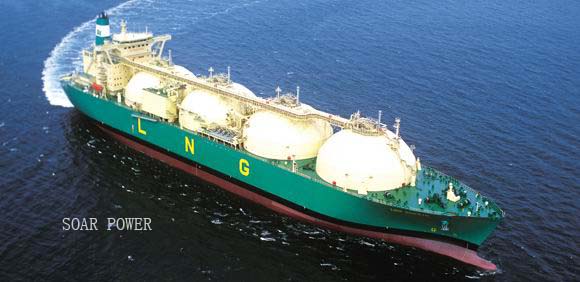
Marine Fossil Fuels mainly include: Marine Fuel Oil and Natural Gas. Marine fuel oil includes Distillate fuels (Marine Diesel Fuels) and Residual Fuels (heavy fuel oil); Marine natural gas mainly refers to liquefied natural gas (LNG).
According to the ISO 8217 standard, Marine Fuel oils can be divided into two categories based on its type:
1.1 Distilled Fuels, also known as Diesel Fuel, are suitable for medium and high-speed diesel engines, such as inland ships, fishing boats, auxiliary power generation and other short distance navigation power sources.
■ Distilled Marine Fuels (DM grade), refers to a mixture of different intermediate fractions obtained from the refining process of crude oil. It can be divided into four levels: DMA, DMB, DMZ, and DMX.
■ Marine Bio Distillate Fuels (DF grade), refers to bio blended fuels containing FAME (fatty acid methyl esters). It can be divided into DFA, DFB, etc.
Marine diesel fuels can usually be divided into two categories: Marine Gas Oil (MGO) and Marine Diesel Oil (MDO). Among them, MGO mainly includes DMA and DFA; MDO mainly includes DMB and DFB.
1.2 Residual Fuels, also known as Heavy Fuel Oil. It is mainly used for large medium to low-speed engines and is widely used in ocean going transport ships, especially in large container ships and oil tankers.
■ Residual Marine Fuels (RM grade), refer to the residual heavy oil obtained from extracting gasoline and diesel from crude oil. Its characteristics are high molecular weight and high viscosity.
■ Marine Bio Residual Fuel (RF grade), refer to the heavy biofuel mixture containing renewable components. Applicable scenario: Green shipping projects that use bio heavy oil or waste oil to prepare fuel.